
Garment Cover RFQs: Confirm the Open-Bottom Drop
How should a buyer confirm the drop of an open-bottom garment cover?
Ask the supplier to show where it measures the cover’s drop and to demonstrate the quoted cover on the actual garment and hanger the buyer plans to use. Have it mark the lower opening and the garment hem in the same view. Record the accepted coverage, sample identifier and quotation line before choosing a size for bulk orders.
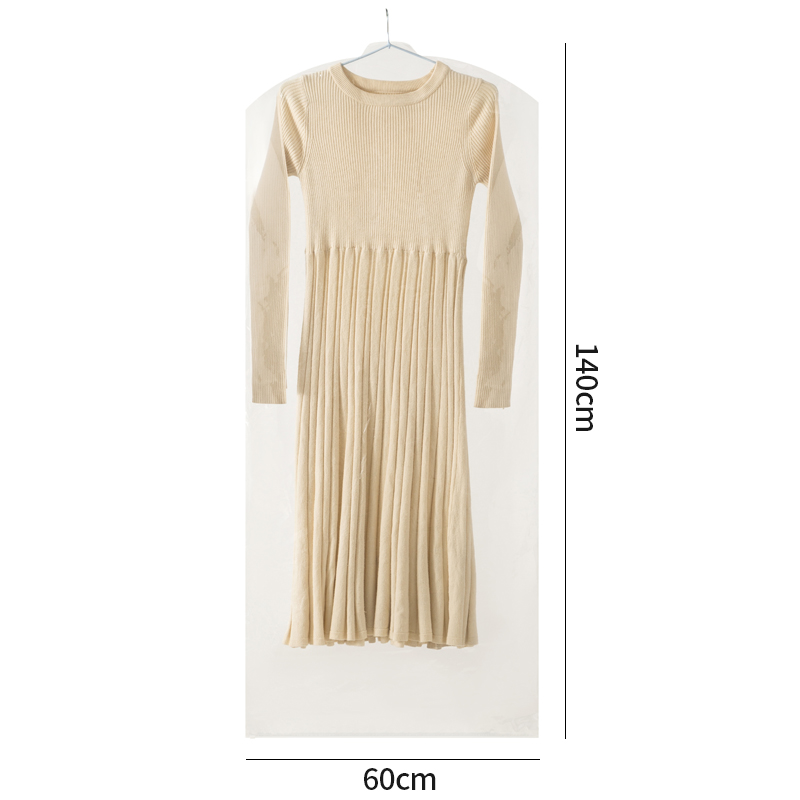
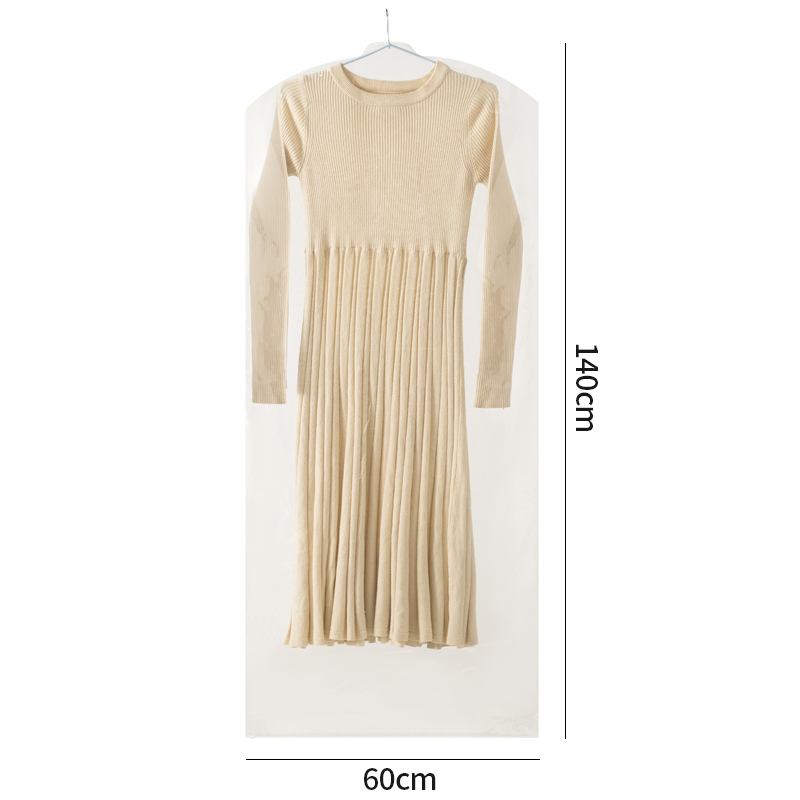
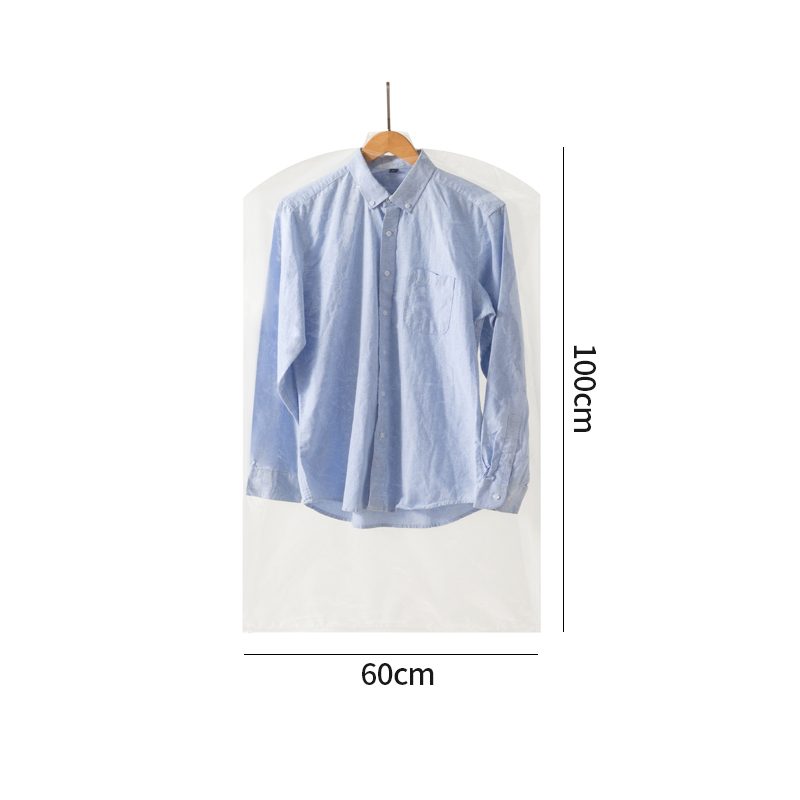
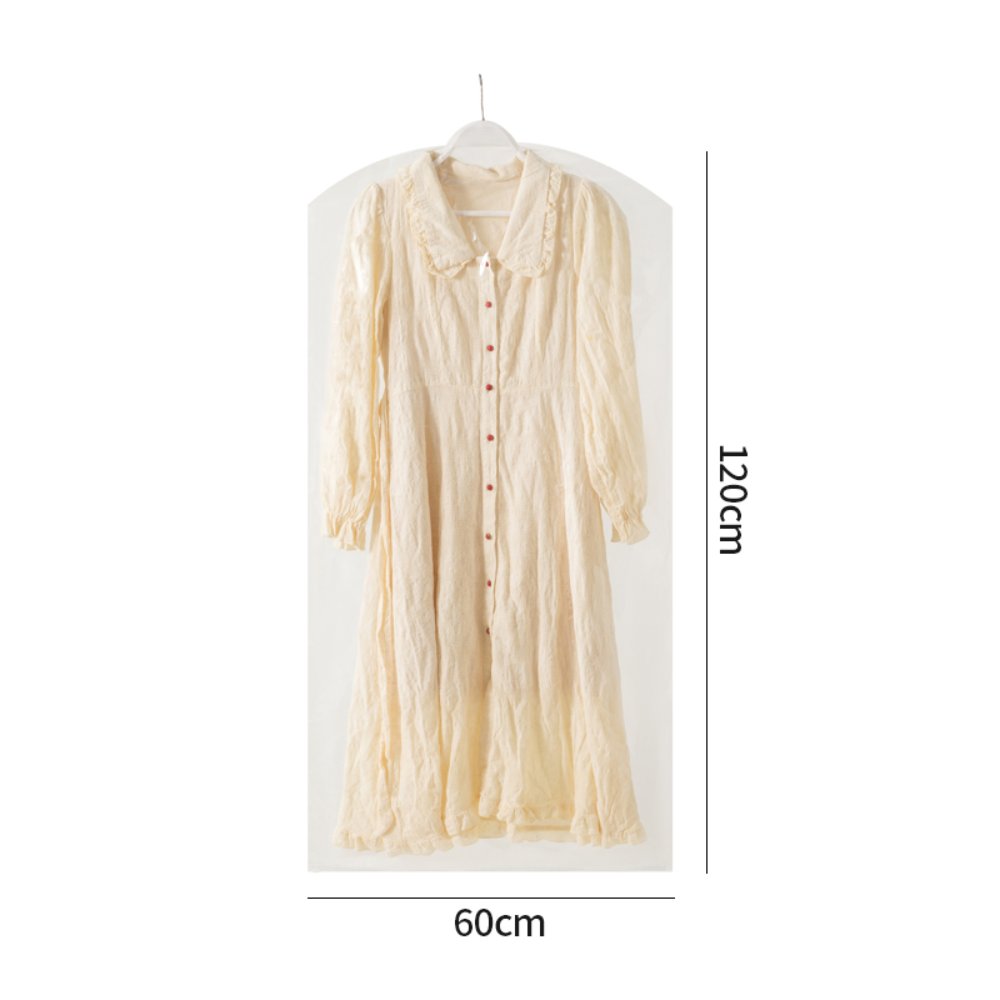
The PEVA Open-Bottom Garment Cover listing shows the cover with several garments. These pictures help a buyer describe the sample check. Use the supplier’s drawing and the offered sample to establish where the cover starts and ends on the specific combination being bought.
Ask where the supplier measures the listed drop
Request a marked drawing or photo of the exact cover. Ask which point at the top and which edge at the bottom define the catalogue drop. The supplier may report a dimension on a laid-flat cover or one measured while hanging. Record which method it used, along with the unit and the quoted size identifier.
If the hanger hook projects through the top, ask the supplier to show whether the hook appears above the start point in its drawing. Mark the hanging edge of the cover separately from the garment hem. The two positions describe different objects, and comparing them requires a view that shows both at once. Leave an unclear endpoint open until the supplier marks it.
Review the garment and hanger together
Give the supplier a garment reference and the hanger intended for that group. Ask it to hang the sample naturally and show where the garment hem sits relative to the open lower edge. Include a full view and, if the hem is hard to distinguish, a closer view with the two edges labelled. Keep both under the same sample identifier.
A buying team might require the cover edge to extend below the hem, or it might accept the hem sitting closer to the opening for a particular stock group. Write the intended result for each group before comparing samples. Where a collection includes different lengths, ask which garment the supplier used for each demonstration and which other garments need their own trial.
| Buying field | Requested supplier response |
|---|---|
| Quoted cover | Record the open-bottom model, size identifier and applicable quotation line. |
| Cover drop | Have the supplier mark the top start point and bottom edge, state the unit and describe how the cover was held. |
| Garment and hanger | Identify the two items shown and the condition in which they were hung. |
| Lower opening | Show the cover edge and garment hem together and record the buyer’s coverage requirement. |
| Approval evidence | Keep the marked image or drawing and the sample identifier together. |
| Changed offer | Ask for a fresh marked view when the garment, hanger or quoted cover size changes. |
Keep the sample record tied to the open-bottom model
The 3D garment cover listing describes a separate catalogue item. Keep its offer and dimensions in a separate record. For the open-bottom model, ask the supplier to identify the cover actually shown with the buyer’s garment. Use that name or code consistently across the photograph, drawing and quote.
If two catalogue views give different impressions of the lower edge, request a single identified view of the offered sample before deciding. Ask the supplier to label any view that represents another cover length or garment. Keep the catalogue images as orientation references while the agreed sample determines which coverage the buyer approves.
Carry the accepted coverage into the order file
Record the quotation revision, cover size, garment and hanger beside the marked image. For a repeat order, ask whether the same cover and reference still apply. If any relevant part changes, request a new view in the same orientation and retain the previous approval so the buyer can compare the records.
Send the product link and the garment and hanger references through the supplier contact page. Ask for the supplier’s defined drop and a view showing the opening and hem together. Request a separate response for any garment group that needs a different cover. A buyer can then confirm each quote line against the sample it actually reviewed.
- Identify the offered cover, garment and hanger.
- Mark the cover drop and compare the bottom edge with the garment hem.
- Link the accepted coverage to the sample and quotation.
Buyer FAQ
Can a catalogue size establish garment coverage?
Ask for the supplier’s endpoints and a hanging sample view with the actual garment and hanger.
Which two edges belong in the lower view?
Show the cover’s lower opening and the garment hem in the same marked view.
What if the supplier gives a flat measurement only?
Record the flat basis and ask for a separate hanging view when the buying decision depends on how the garment is covered.
Can one approval cover different garments?
Ask which garments the evidence covers and request a separate view where the hanger or garment changes the comparison.